
How Subtle Design Details Make Outdoor Spaces Feel Finished
Key Takeaways
Subtle design choices shape comfort, usability, and visual balance
Edge details, transitions, and alignment impact long-term performance
Thoughtful finishing elements elevate both function and appearance
Early planning allows details to be designed in, not added on later

The difference between an outdoor space that feels complete and one that feels unfinished often comes down to the details. While large features set the foundation, it’s the smaller design decisions that bring cohesion, comfort, and longevity. These elements guide how a space is used, how it ages, and how it fits into the surrounding landscape.
Clean Edges and Defined Boundaries
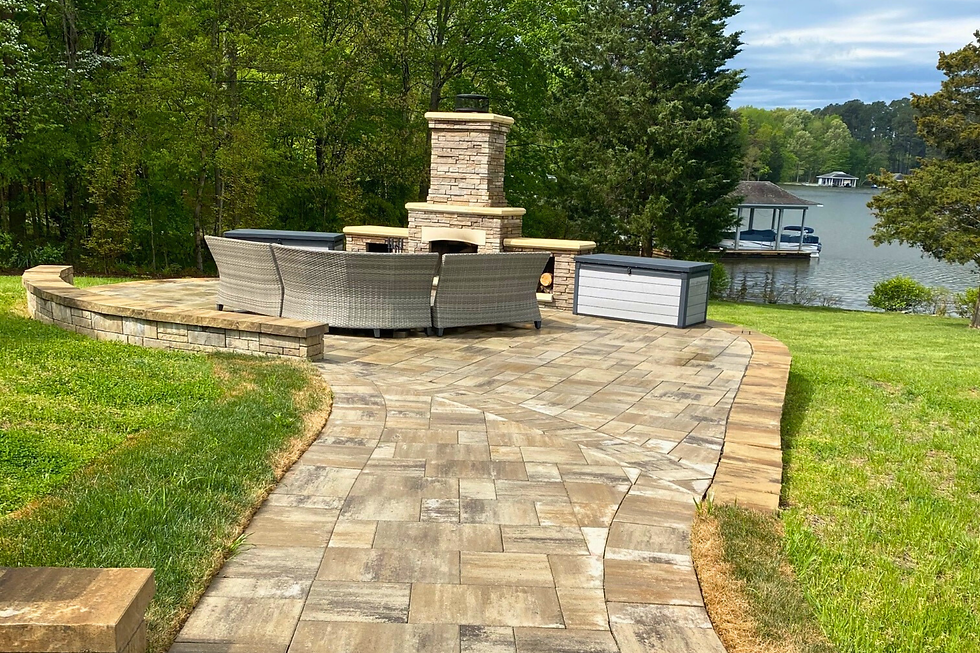
Edge restraint plays a critical role in both appearance and performance. Well-defined edges help patios hold their shape over time while creating a clean visual transition between hardscape and landscape. Whether bordered by planting beds, lawn, or stone accents, clear boundaries keep spaces looking intentional rather than temporary.
Thoughtful Transitions Between Spaces
Finished outdoor spaces move smoothly from one area to another. Changes in elevation, shifts in material, or transitions from patio to pathway should feel natural and proportionate. Proper step sizing, consistent spacing, and aligned joints prevent awkward breaks that disrupt flow. These details help the space feel connected and easy to navigate.
Consistent Patterns and Alignment
Laying patterns, joint spacing, and alignment may seem subtle, but they strongly influence the overall look. Consistency across surfaces creates visual calm and helps larger spaces feel organized. Poor alignment draws attention for the wrong reasons, while precise craftsmanship fades into the background and lets the space speak for itself.
Integrated Drainage and Grading
Drainage details often go unnoticed when done correctly—and that’s the goal. Subtle grading ensures water moves away from patios and gathering areas without disrupting the design. When drainage solutions are planned early, they support both comfort and long-term durability without visible compromises.
Lighting and Finishing Touches
Low-profile lighting, step illumination, and pathway accents extend usability into the evening while reinforcing structure and safety. These features work best when integrated into the design rather than added later. The result feels cohesive and purposeful rather than layered on.
Details That Support Daily Use
Finished spaces account for how people move, sit, and gather. Bench heights, step depths, and pathway widths influence comfort in ways that are felt rather than noticed. When these dimensions are thoughtfully planned, the space feels intuitive from the first use.
Planning Details Early for Spring Projects
The most successful outdoor projects address details during the design phase, not at the end. Planning early allows time to refine transitions, select materials, and coordinate construction methods that support long-term performance.
If you’re planning an outdoor project for this spring, reach out to Maplehurst Outdoor Living to begin the design process. Our team focuses on craftsmanship, thoughtful planning, and outdoor spaces that feel complete from the ground up.



Comments