
Planning Your 2027 Landscape Project: Where to Start
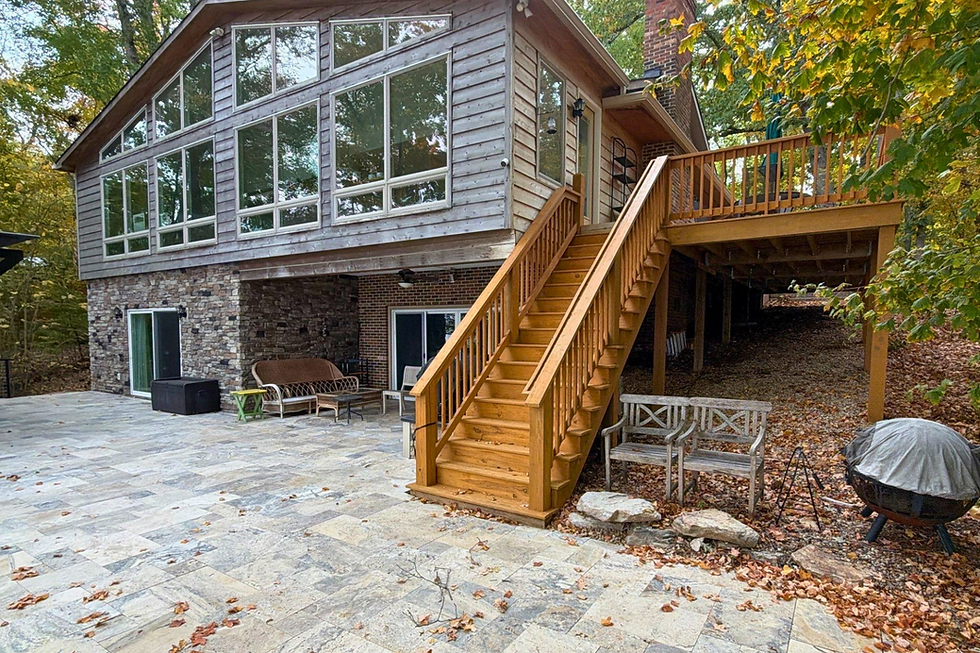
A new patio, an outdoor kitchen, a better-functioning landscape, or a complete outdoor living space can take careful planning. Before choosing materials or deciding where features should go, it helps to understand what you want from your property and what it will take to get there.
If you're considering a landscape or outdoor living project for 2027, starting the planning process now gives you time to work through the important decisions, explore design options, and establish a realistic project scope before construction begins.
Key Takeaways
Start with how you want to use your outdoor space, whether that's entertaining, relaxing, or enjoying the landscape.
Evaluate your property's existing layout, drainage, grading, shade, and areas that are underused.
Establish a realistic budget before selecting features or finalizing a project scope.
Determine whether the work is appropriate for DIY or requires professional landscape construction.
Consider a professional 2D or 3D landscape design for larger or more complex projects.
Early planning helps establish a project schedule and prepare for a 2027 construction start.
1. Decide How You Want to Use Your Outdoor Space
Start with the experience you want your landscape to support. Do you picture hosting family and friends around an outdoor kitchen? Would you rather have a quiet patio where you can unwind? Perhaps your priority is creating scenery with thoughtfully arranged plantings, natural stone, lighting, and views that make spending time outside more enjoyable.
Your goals will influence nearly every design decision. A space built for entertaining may need room for dining, cooking, seating, and circulation. A private retreat may call for shade, screening, and a more secluded setting. If scenery is the priority, the design may focus on planting arrangements, focal points, pathways, and views from inside the home.
Knowing what matters most helps keep the project focused.
2. Evaluate How Your Property Works Today
Before deciding what to add, look at what you already have. Which areas do you enjoy? Where do you naturally spend time? Are there portions of the yard you rarely use?
Pay attention to practical concerns, too. Water collecting near the foundation, eroding slopes, overgrown planting beds, limited shade, uneven walkways, or a patio that feels disconnected from the house can all affect how well your property functions.
These observations help identify where the investment will make the greatest difference. A new feature may be part of the answer, but resolving an existing drainage or grading problem could be just as important.
3. Establish a Realistic Project Budget
Once you understand your priorities and the property's needs, determine what you are comfortable investing. Your budget helps guide the size and scope of the project, material selections, and which features should be included first.
Consider the entire project rather than budgeting for one feature in isolation. A patio, for example, may also require excavation, base preparation, drainage, steps, retaining walls, or landscaping. Understanding these related costs early makes it easier to establish realistic expectations and evaluate options.
4. Decide When to Bring in a Professional
Some landscape projects are manageable as DIY improvements. Planting a small garden bed or adding a few simple landscape accents may be within a homeowner's capabilities. Larger projects involving excavation, grading, drainage systems, retaining walls, natural stone, or extensive hardscaping require a greater level of planning and construction expertise.
Maplehurst Outdoor Living brings professional planning and skilled craftsmanship to custom landscape and outdoor living projects. Proper site preparation, material selection, installation techniques, and attention to construction details all contribute to the durability and performance of the finished work. When your investment involves complex site conditions or substantial construction, professional experience can help avoid costly mistakes and deliver results built for long-term use.
5. Consider a Professional Landscape Design
For larger projects, a professional 2D or 3D landscape design can help you understand how the finished property will look and function before construction begins. A 2D plan can establish layout, dimensions, and the placement of major features. A 3D design can provide a more realistic view of elevations, materials, and how different elements relate to one another.
This gives you an opportunity to review the plan, consider alternatives, and make adjustments before work starts.
6. Finalize the Plan and Set a Start Date
Once the project scope, budget, and design are settled, the next step is scheduling. Having these decisions made early helps establish expectations for the construction process and gives everyone a clearer direction.
If you're considering an early 2027 project with Maplehurst Outdoor Living, now is the time to begin planning. Starting the conversation early gives you time to discuss your goals, walk the property, review options, and prepare for the upcoming construction season.
A well-planned outdoor project starts with knowing what you want your property to become—and making the right decisions before the first step of construction begins.


Comments