
What It Means to Build an Outdoor Space That Lasts: Craftsmanship, Durability, and Design

Key Takeaways
Long-lasting outdoor living spaces depend on both structural integrity and thoughtful design
Proper base preparation, drainage, and installation prevent shifting, settling, and water issues
Visual craftsmanship—layout, edges, and material transitions—impacts how a space feels and functions
Durable construction improves daily use by creating stable, reliable surfaces
A well-built
An outdoor space that lasts is easy to recognize. You step onto it and everything feels solid. Water moves away instead of collecting. Edges stay clean. The layout continues to make sense years after it was built.
That outcome doesn’t happen by accident. It comes from decisions made at every stage—what goes beneath the surface, how materials are placed, and how the space is designed to be used.
Durability and craftsmanship are tied together. One doesn’t exist without the other.
It Starts Below the Surface
The long-term performance of a patio or walkway depends on what you don’t see. A properly prepared base supports the entire structure, keeps materials in place, and manages water effectively.
Without this foundation, even high-quality stone can shift, settle, or separate over time.
What lasting construction includes:
Compacted base layers designed for load and drainage
Proper grading to direct water away from the space
Edge restraints that hold everything in place
These steps prevent common issues like uneven surfaces, pooling water, and premature wear.
Visual Craftsmanship Has a Purpose
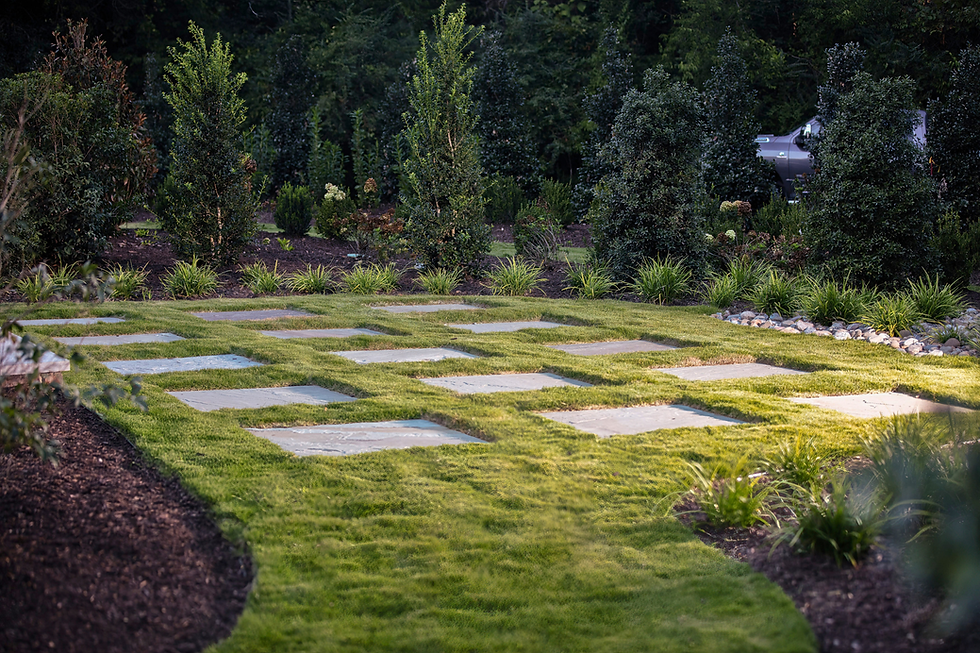
The way a space looks is directly tied to how it functions. Layout, spacing, and material transitions are not just aesthetic choices—they influence how the space is used and how it holds up over time.
Clean edges reduce movement. Consistent joint spacing helps maintain stability. Thoughtful patterns guide how people move through the space.
When these details are handled with care, the result is a space that feels balanced and easy to use.
What to notice:
Straight, intentional edges that stay defined
Smooth transitions between surfaces
Patterns that feel consistent and well-placed
Drainage Protects the Entire Space
Water is one of the main reasons outdoor spaces fail. If it isn’t managed correctly, it leads to erosion, shifting, and long-term damage.
A well-built space accounts for how water moves before construction begins. Slopes are calculated, drainage solutions are installed where needed, and materials are set to support proper runoff.
This allows the space to dry out efficiently and remain stable after heavy rain.
Durability Changes the Daily Experience
A space that holds up over time is one that gets used more often. You don’t hesitate to step outside after a storm. You don’t notice movement underfoot or avoid certain areas.
Instead, the space becomes dependable. It supports daily routines, gatherings, and quiet time without requiring constant attention or repair.
That reliability is what turns a backyard into part of your home.
Building for Long-Term Use
Creating an outdoor space that lasts requires more than choosing the right materials. It requires a complete approach—design, preparation, and craftsmanship working together.
At Maplehurst Outdoor Living, each project is built with long-term performance in mind. From the base layers to the final details, every step supports a space that stays solid, looks right, and continues to function as intended.
Because when an outdoor space is built the right way, you don’t think about how it was constructed. You simply use it, year after year.



Comments