
What to Think About Before Adding a Fire Feature or Outdoor Kitchen
Key Takeaways
Fire features and outdoor kitchens should be planned as part of the full layout
Site conditions and safety clearances affect placement and performance
Utilities, materials, and workflow matter more than appearance alone
Early planning helps avoid costly changes during construction

Fire features and outdoor kitchens often become the center of an outdoor living space. When they are well planned, they improve how the space functions and how often it gets used. When they are added without enough forethought, they can limit movement, create safety concerns, or feel disconnected from the rest of the design.
Before moving forward, it’s worth stepping back and evaluating how these features fit into the overall space.
How the Space Will Be Used
Start by considering how people will move and gather. A fire feature draws people inward, while an outdoor kitchen creates activity and circulation. Their placement should support natural traffic flow rather than interrupt it. Seating distance, walkways, and clear access points all affect comfort and safety during use.
Location and Safety Requirements
Fire features and kitchens require proper spacing from structures, plantings, and other hardscape elements. Heat clearance, ventilation, and local code requirements influence where these features can be installed. Planning around these factors early helps avoid compromises later.
Utilities and Infrastructure
Outdoor kitchens often require gas, electric, and water connections. Fire features may need gas lines or electrical service depending on the design. These utilities should be planned before construction begins so they can be properly routed and concealed. Retrofits often increase cost and limit design flexibility.
Materials That Can Handle Heat and Use
Not all materials perform well near heat or heavy use. Countertops, pavers, and surrounding surfaces should be selected for durability and resistance to temperature changes, grease, and moisture. Material compatibility also affects long-term maintenance and appearance.
Relationship to the Rest of the Space
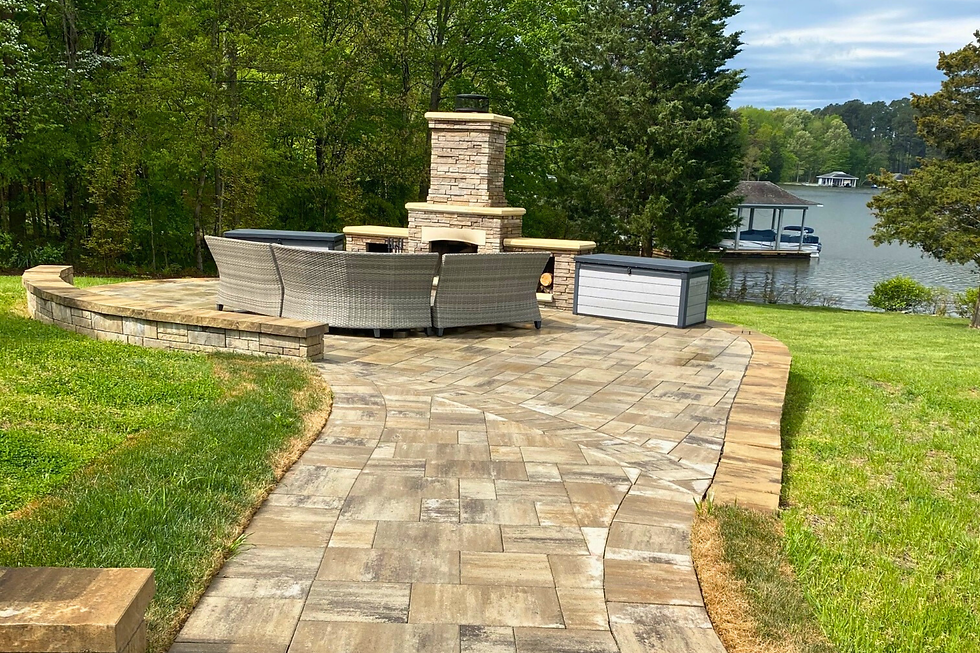
A fire feature or kitchen should feel integrated rather than placed on its own island. Alignment with patios, seating walls, and walkways helps the space feel cohesive. Scale matters as well—features that are too large or too small can throw off the balance of the entire design.
Long-Term Use and Maintenance
Consider how often the feature will be used and who will maintain it. Storage, cleanup access, and weather exposure all influence how practical the feature remains over time. A design that supports routine use tends to deliver more value than one built around occasional gatherings.
Planning Ahead for Spring Projects
Fire features and outdoor kitchens work best when they’re planned as part of a complete design. Starting early allows time to evaluate layout, utilities, and material choices before construction begins.
If you’re planning an outdoor project for this spring, reach out to Maplehurst Outdoor Living to start the design process. Thoughtful planning leads to outdoor spaces that function well from day one.



Comments