
Why the First 10 Steps Outside Your Door Matter Most in Outdoor Design

Key Takeaways
The first steps outside set the tone for how your entire outdoor living space feels
Sensory details—what you see, feel, and hear—are shaped by layout, materials, and placement
Poor transitions create hesitation, while thoughtful design encourages immediate use
Entry patios, walkways, and lighting improve comfort, flow, and daily routines
Professional design ensures these elements work together from the start
You step outside your back door. Within a few seconds, you’ve already decided how long you’ll stay.
If the ground feels uneven, the space looks undefined, or the transition feels abrupt, most people pause and turn back inside. When those first steps feel comfortable and intentional, the experience changes. You keep moving forward. You settle in.
That initial moment shapes how often the space is used.
What You Feel Underfoot
The first physical interaction with your outdoor space is the surface beneath you. In many yards, this means stepping onto grass, gravel, or a surface that shifts or softens after rain.
A professionally built patio creates stability. Proper base preparation and installation result in a surface that feels solid and level. That consistency matters. When the ground feels reliable, people move with confidence instead of hesitation.
Design impact:
Stable surfaces increase daily use
Level transitions reduce the risk of trips or discomfort
What You See Immediately
Visual clarity plays a major role in how welcoming a space feels. If the first view outside is open and undefined, the yard can feel unfinished or hard to navigate.
Thoughtful outdoor design introduces structure right away. A defined patio edge, a seating wall, or a clear pathway gives the eye a place to land. These elements signal where to go and how the space is meant to be used.
Design impact:
Defined entry areas reduce uncertainty
Clear layout improves flow and usability
What You Hear Around You
Sound is often overlooked, but it influences comfort quickly. Noise from nearby roads, open exposure, or lack of buffering can make outdoor spaces feel less inviting.
Design elements like retaining walls, plantings, and strategic layout can soften these effects. Even subtle changes help create a more controlled, comfortable environment within those first few steps.
Design impact:
Reduced noise improves relaxation
Enclosed spaces feel more intentional and usable
How the Space Guides You Forward
The first 10 steps should lead somewhere. Without direction, people stop moving and the space goes underused.
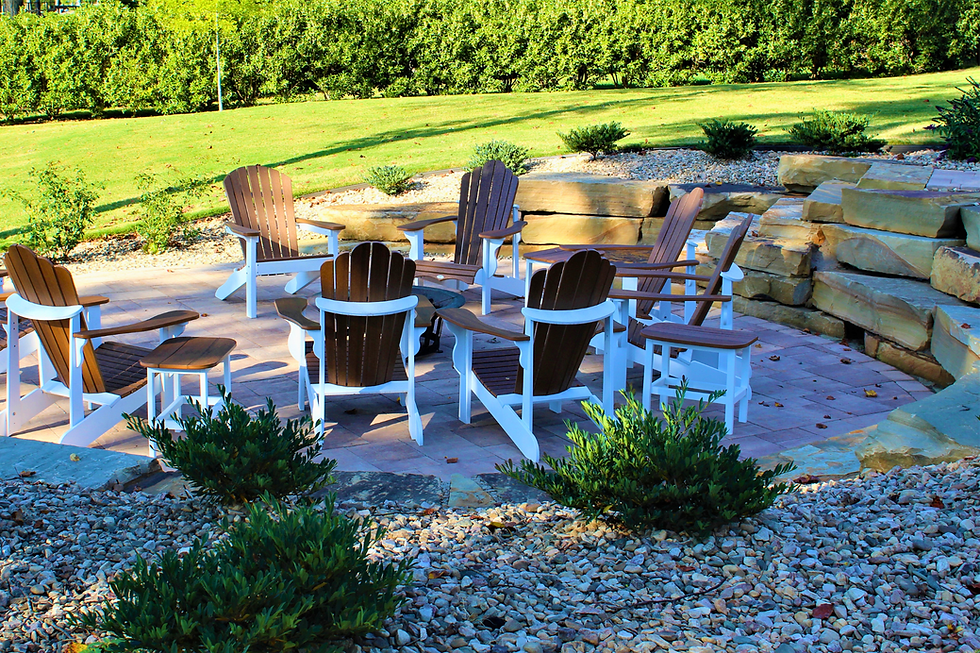
A well-designed entry patio or walkway creates a natural path from the home into the yard. It connects to gathering areas, seating spaces, or features like fire pits. This guidance removes decision-making and encourages people to continue into the space.
Design impact:
Clear pathways improve movement
Connected layouts increase time spent outdoors
Lighting Extends the Experience
In the evening, lighting becomes part of that first impression. A dark or unevenly lit entry discourages use, while soft, well-placed lighting creates a sense of arrival.
Low-voltage lighting along transitions and entry points allows the space to feel accessible and comfortable after sunset.
Design impact:
Lighting improves safety and usability
Consistent illumination supports evening routines
How Thoughtful Design Changes the Experience
The first steps outside your door are not accidental. They are shaped by layout, materials, grading, and craftsmanship.
At Maplehurst Outdoor Living, outdoor spaces are designed to feel intentional from the moment you step outside. Entry areas are built to be stable, defined, and connected to the rest of the space.
When those first steps feel right, the rest of the space follows. You move forward without thinking about it. You stay longer. And the outdoors becomes part of your routine.


Comments