
Your Landscape Has an Expiration Date. Are You Planning for It?

Key Takeaways
Landscapes change as plants mature, materials weather, and property conditions evolve.
Overgrown plantings, declining turf, recurring drainage issues, and aging hardscape can signal that parts of your landscape need attention.
A thoughtful landscape renovation starts by identifying what should be maintained, repaired, replaced, or redesigned.
Planning ahead helps homeowners prioritize improvements and create a cohesive long-term plan.
A landscape can look completely different 10, 15, or 20 years after installation. Trees grow, shrubs spread, sunlight patterns shift, and the materials used in patios, walkways, and retaining walls experience years of exposure to weather and regular use.
That change is natural. But eventually, a landscape may no longer look or function the way it was intended. Areas that once felt balanced can become crowded, outdoor spaces may need repairs, and the original design may no longer suit the property.
A landscape has a lifespan—not because everything needs to be replaced after a certain number of years, but because living plants, outdoor materials, and property conditions continue to change. Knowing when to reassess your landscape can help you protect the investment you have already made and decide where improvements will have the greatest impact.
1. Your Plants Have Outgrown Their Original Space
One of the clearest signs of an aging landscape is planting that has become crowded or overgrown. Shrubs that once framed an entrance may now block windows or walkways. Trees can create deeper shade as their canopies expand, changing the growing conditions beneath them. Plants that were originally spaced appropriately may eventually compete for room, light, and resources.
The answer is not always to remove everything and start over. Some established trees and healthy plants may be worth preserving. Others may need selective pruning, relocation where practical, or replacement with varieties better suited to the available space.
A landscape evaluation should consider the mature size and condition of each plant, how it relates to the home, and whether it still serves a purpose in the overall design.
2. Hardscape Shows Signs of Age and Wear
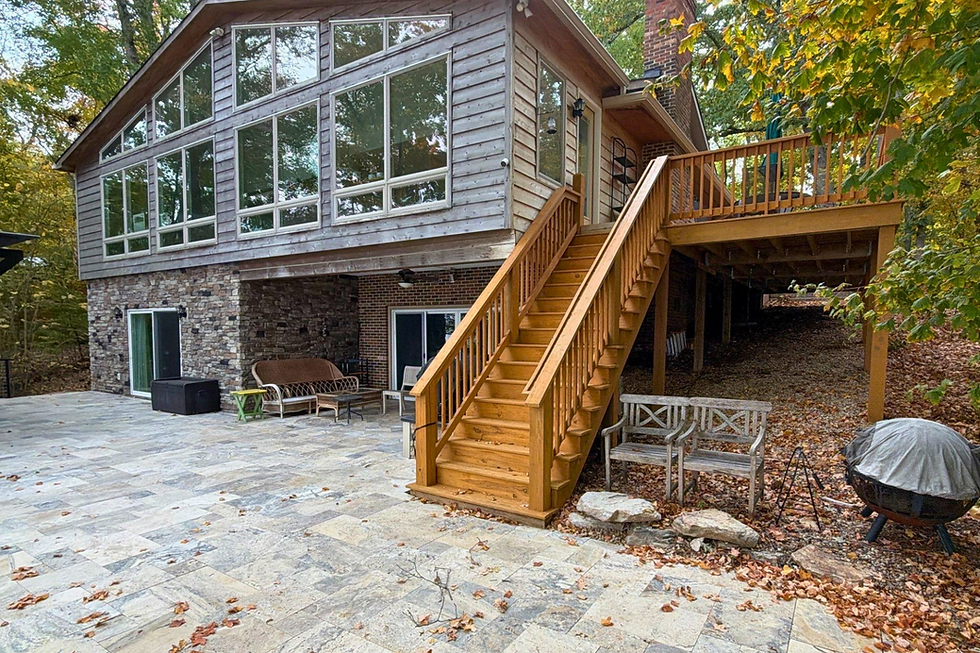
Patios, walkways, steps, and retaining walls are built to handle regular outdoor use, but they still require attention over time. Weather exposure, ground movement, drainage conditions, and installation history can all affect their condition.
Look for uneven or settling pavers, loose stones, deteriorating joints, damaged edges, or movement in retaining walls. These conditions do not all have the same cause, and some may require a closer assessment before repairs are recommended.
Addressing a problem at its source matters. For example, resetting a section of patio without understanding why it settled may leave the underlying issue unresolved. A successful renovation considers the condition of the hardscape along with the base, surrounding grade, and water movement.
3. Your Landscape No Longer Handles Water Well
Drainage deserves particular attention when evaluating an established property. Recurring standing water, washed-out mulch, exposed roots, eroding slopes, or water collecting near the foundation can indicate that something has changed or that an existing drainage problem needs to be addressed.
Not every puddle after a heavy storm signals a major issue. However, persistent or repeated problems deserve investigation. Soil conditions, grading, downspout locations, and changes to nearby outdoor surfaces can all influence how water moves across a property.
Depending on the site, improvements may involve regrading, drainage pipes, feature drains, dry creek beds, or erosion-control measures. The appropriate solution starts with understanding where the water originates and where it needs to go.
4. The Original Design No Longer Fits the Property
Sometimes the materials and plants are still in reasonable condition, but the landscape feels dated or disconnected from the home. The entrance may lack definition, planting beds may feel oversized, or the relationship between the driveway, lawn, and outdoor living areas may no longer feel intentional.
This is an opportunity to look at the property as a whole. A landscape renovation can preserve features that still work while updating areas that need better proportion, circulation, planting structure, or material consistency.
The goal is to make decisions that suit the property today while allowing room for the landscape to continue growing and changing.
Plan for the Landscape You Want to Keep
An aging landscape does not automatically call for a complete replacement. The best starting point is an honest evaluation of what is healthy, what needs repair, and what no longer serves the property. From there, improvements can be prioritized and coordinated into a thoughtful plan.
Maplehurst Outdoor Living works with homeowners throughout Southern Virginia and Northern North Carolina to plan landscape renovations and custom outdoor living projects. From updated planting beds and hardscape repairs to grading, drainage, and new outdoor features, each project begins with the conditions and opportunities of the property.
If you are thinking about an early 2027 project with Maplehurst, the time to start planning is now. Beginning the conversation early allows time to evaluate your property, discuss priorities, develop a design, and prepare for the work ahead.



Comments