
How Outdoor Spaces Help You Unplug & Slow Down
Key Takeaways
Outdoor spaces can naturally encourage a slower pace when designed with intention
Physical & emotional comfort depends on practical design decisions and craftsmanship
Layout, materials, and lighting influence how often a space is used
Spaces that fit daily life are easier to enjoy without effort

The Role Outdoor Spaces Play in Slowing Down
Slowing down doesn’t usually come from a decision—it comes from being in the right environment. When an outdoor space is designed to feel comfortable, balanced, and easy to use, people tend to linger. They sit longer. Conversations stretch. Evenings feel less rushed. That shift happens quietly, shaped by design choices that support how people actually live.
Outdoor spaces that encourage calm often start with proportion and layout. A patio that feels too large can feel exposed, while one that’s too small can feel crowded. Thoughtful sizing creates a sense of enclosure without feeling closed off. Seating placed where people naturally pause—near entry points, along edges, or facing a focal area—makes sitting down feel intuitive rather than planned.
Materials also play a role. Stone, pavers, and textured surfaces provide visual weight and stability. They feel grounded underfoot and tend to soften the space visually, especially when paired with planting or natural transitions. These materials aren’t chosen for appearance alone; they hold up over time and support consistent use without requiring constant upkeep.
Comfort after daylight hours matters as well. Subtle lighting allows people to stay outside without harsh brightness or dark gaps. Pathway lighting supports movement. Low accent lighting defines the space without drawing attention to itself. When lighting is designed as part of the overall plan, the space remains usable without feeling overstimulating.
There’s also a practical side to slowing down. If an outdoor space requires frequent rearranging, has unclear circulation, or feels disconnected from the home, it’s less likely to be used regularly. Clear paths, logical access points, and proximity to indoor spaces make it easier to step outside without thinking twice. That ease is what turns occasional use into routine.
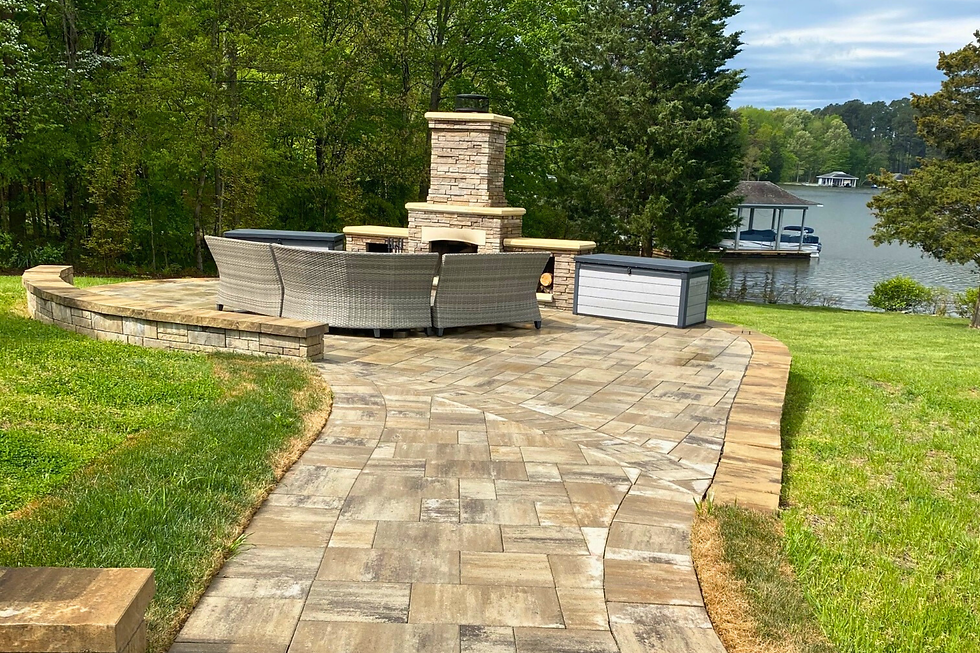
Features like fire elements or simple seating walls give people a reason to stay put. They anchor the space and create a natural center without demanding attention. These features work best when they’re scaled appropriately and built with care, so they feel settled into the design rather than added on.
At Maplehurst Outdoor Living, we design outdoor spaces that support real life. Our focus is on craftsmanship, thoughtful layout, and materials that perform well over time. When those elements come together, the result is a space that feels calm because it works—one that invites you to slow down without asking you to try.



Comments