
The Landscape Decisions That Are Hardest to Change Later

Key Takeaways
Grading, drainage, and retaining wall placement affect how the rest of a landscape is designed and built.
Patio locations, walkways, and outdoor living layouts should account for access, circulation, sunlight, and the home's architecture.
Material choices influence the appearance, maintenance, and construction requirements of an outdoor space.
Planning the property's foundational elements first can help prevent avoidable revisions during construction.
A professional landscape design considers how individual features work together across the entire property.
Some landscape decisions are easy to revisit. Plants can be replaced, lighting can be added, and decorative details can evolve over time. Other decisions are much harder to change once the work is complete.
The placement of a retaining wall, the direction water drains across a property, or the location of a new patio can influence everything built around it. Revising those elements may require excavation, reconstruction, or changes to other parts of the landscape.
That is why successful landscape design starts with more than choosing materials and features. It requires understanding the property, considering how the space will be used, and making foundational decisions before construction begins.
1. Grading and Elevation Changes
The way a property rises and falls affects where patios, walkways, planting beds, and outdoor structures can be installed. A sloped yard may require steps, retaining walls, or carefully planned grading to create accessible and functional areas.
These decisions are difficult to change later because they influence the ground beneath the finished landscape. Moving a patio or changing a slope after installation can involve removing hardscape, relocating soil, and rebuilding surrounding features.
A site evaluation helps determine how existing elevations can be used and where adjustments may be needed.
2. Drainage and Water Management
Water movement should be considered before new landscaping or hardscape is installed. Patios, walls, planting beds, and changes in grade can all affect how water travels across a property.
If drainage is overlooked, homeowners may encounter recurring pooling, soil erosion, or water collecting in unwanted areas. Correcting those problems after construction can mean disturbing finished surfaces or established plantings.
The right drainage plan depends on the property's slope, soil conditions, existing runoff, and available discharge locations. Solutions may include grading adjustments, drainage pipes, feature drains, or dry creek beds.
3. Retaining Wall Placement
Retaining walls can create usable areas on sloped properties, define planting beds, and help manage changes in elevation. Their placement also affects access, drainage, and the layout of nearby outdoor spaces.
A wall positioned without considering the larger design may limit walkway access or leave awkward transitions between the lawn and patio. Its location, height, materials, and construction requirements should be evaluated as part of the overall site plan.
4. Patio and Outdoor Living Layout
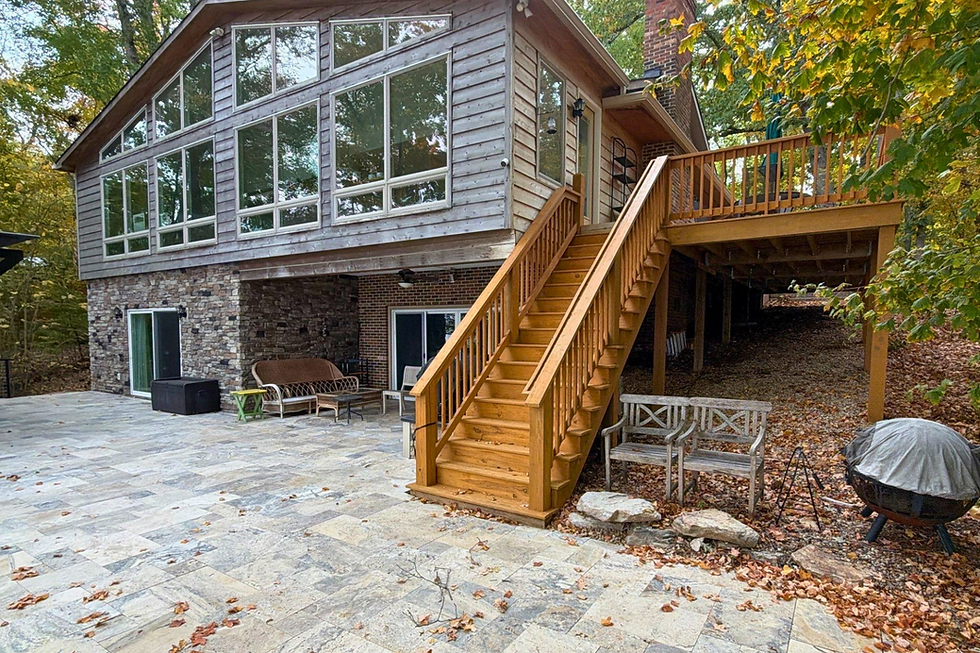
The location of a patio or outdoor living area influences how people move between the home, yard, and other features. A patio placed too far from the kitchen, for example, may make everyday use less convenient. A layout that ignores existing trees, views, or grade changes may also create unnecessary construction challenges.
Before settling on a location, consider how the space will be used, how people will access it, and how it relates to the home's architecture. Walkways, steps, seating areas, outdoor kitchens, and shade structures should be considered together rather than added without a coordinated plan.
5. Material Selection
Pavers, natural stone, concrete, wall materials, and decking each have different appearances, installation requirements, and maintenance considerations. Material choices also influence the character of the finished property.
Changing materials after installation can be costly, particularly when the replacement requires removing existing work or matching surfaces that connect. Consider the home's exterior, surrounding landscape, intended use, and maintenance expectations before making a final selection.
6. How the Entire Property Connects
Individual features may look appealing on their own, but the relationship between them determines how cohesive the finished landscape feels. A driveway, front entrance, planting beds, patio, and lawn should feel connected through thoughtful transitions, appropriate scale, and consistent design choices.
Looking at the property as a whole before construction begins helps identify potential conflicts and opportunities that may be missed when planning one feature at a time.
Start With the Decisions That Shape Everything Else
A successful landscape project balances today's needs with the long-term character and function of the property. The best place to begin is with the decisions that affect everything around them: grading, drainage, layout, structural features, and materials.
Maplehurst Outdoor Living works with homeowners throughout Southern Virginia and Northern North Carolina to develop custom landscape and outdoor living plans based on each property's conditions, priorities, and possibilities.
If you are thinking about an early 2027 project with Maplehurst, the time to start planning is now. Starting early creates room to evaluate the property, establish the design, make informed material choices, and prepare for construction.



Comments